
Carry-On Essentials
Everything you need, within reach.
A well-considered carry-on keeps the important parts of the journey close without turning your personal space into another overpacked suitcase. Build around access, comfort and a clear place for every small essential.
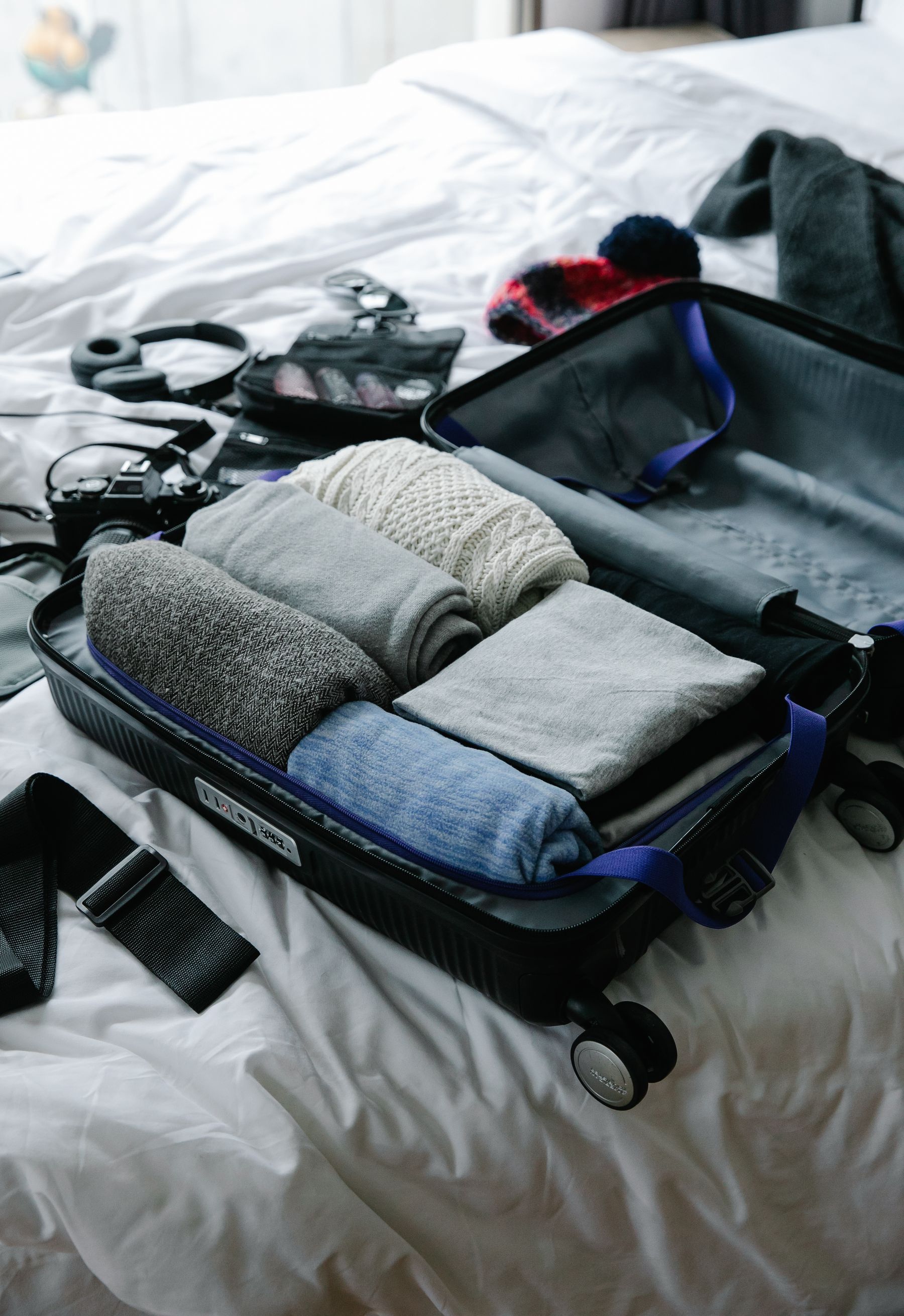
Carry less. Reach what matters faster.
The best carry-on setup is not the one that holds the most. It is the one that keeps your journey orderly. Separate what you need during transit from what can stay packed, contain small items before they disappear into the bottom of the bag, and leave enough room to move through the journey without constant repacking.
Keep high-use pieces close.
Documents, small personal items and transit essentials should live where they can be reached without opening the entire case.
Give small items boundaries.
Pouches, organizers and dedicated compartments make it easier to locate accessories without creating clutter.
Prepare for the hours in between.
A small comfort layer can make waiting, transfers and long stretches of sitting feel more considered.
Leave room to repack.
A carry-on that begins with breathing room is easier to use again after security, a hotel stay or a change of plans.
Three groups. One calmer bag.
Organize around when you will need something, not simply what category it belongs to. This creates a carry-on that works with the sequence of the journey.
Reach-first essentials
Keep the items you may need before arrival in one consistent location that can be accessed without disrupting the rest of your packing.
- Travel documents
- Wallet and travel information
- Frequently used small essentials
- Charging essentials
Comfort for the journey
Keep comfort pieces together so they can move from lounge to seat to hotel without becoming scattered through your luggage.
- Travel pillow
- Sleep mask or earplugs
- Light travel blanket when useful
- Personal comfort pouch
Backup, not clutter
A compact reserve of personal items can be useful when it stays contained rather than filling every available pocket.
- Small toiletry organizer
- Refillable travel bottles as needed
- Compact extra layer
- Destination-specific accessories
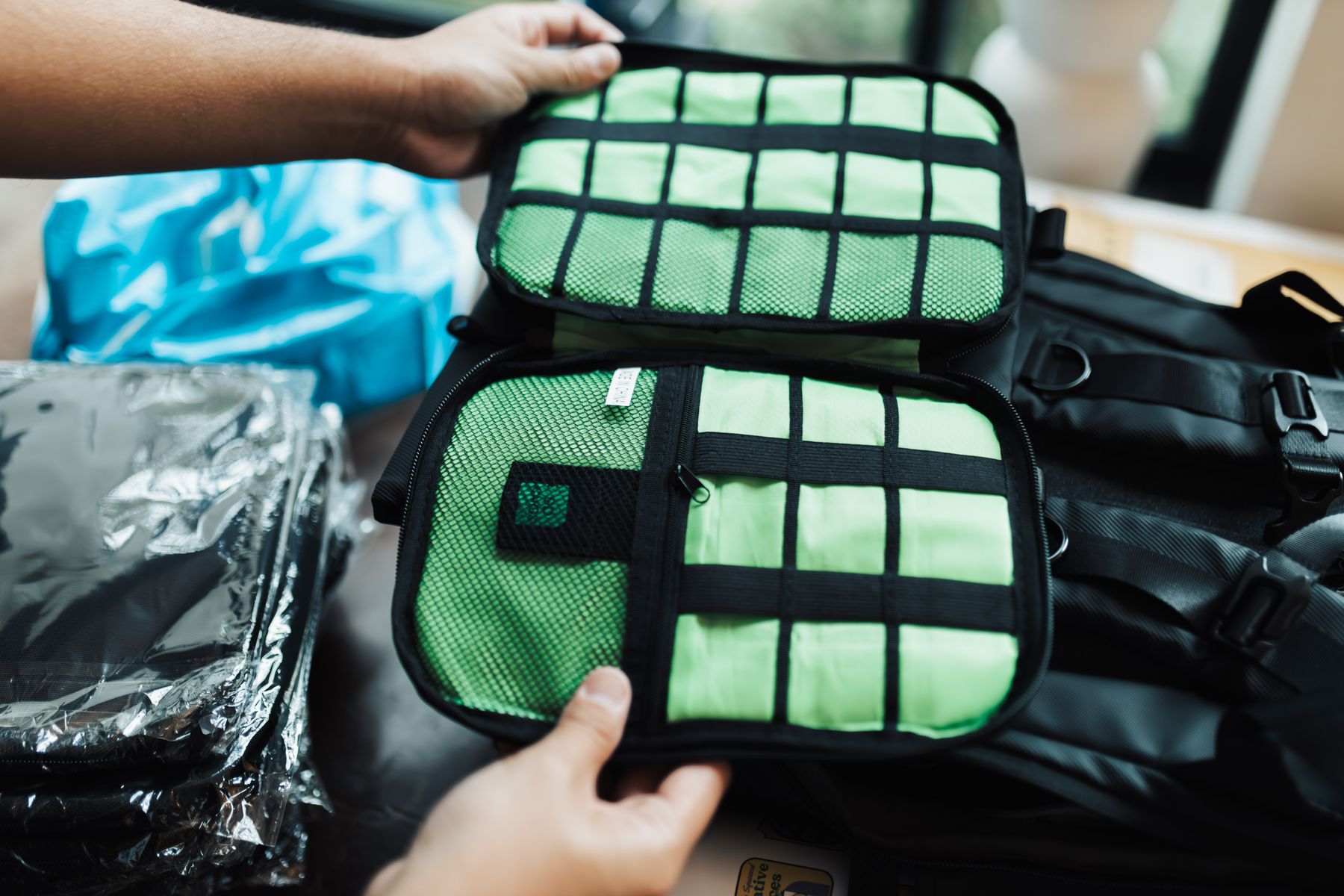
Put the right things in the right layer.
Think of your carry-on as a sequence of access. The closer an item is to the top or an external compartment, the more likely it should be something you may genuinely use during the journey.
Top layer: immediate access
Place documents, a compact personal pouch and frequently reached items where they can be retrieved quickly.
Middle layer: comfort and support
Keep soft transit pieces together so they remain easy to remove without exposing the rest of the case.
Lower layer: contained reserve
Place extra clothing, toiletry organizers and lower-priority essentials in their own defined sections.
Unused space: keep it available
Avoid filling every pocket simply because it exists. Free space makes the bag easier to use throughout the trip.
Pack for the moments between departure and arrival.
A carry-on works best when it supports the whole sequence of travel rather than only the moment you leave home.
Leave home organized.
Start with a clear compartment plan so you already know where every essential lives before the journey begins.
Keep access simple.
Avoid digging through clothing or unpacking organizers to find the few items needed while moving through the terminal.
Use one comfort zone.
Keep personal comfort items together so they can be reached and returned to the same place during the journey.
Unpack without rebuilding.
A contained carry-on system can move directly into a hotel room or destination without creating a second packing project.
Keep the smallest bag the most intentional.
Your personal item should support access, not become the place where every unclassified object ends up. Give it a narrow purpose and keep the interior easy to understand at a glance.
Use one dedicated location for travel documents and information you may need during transit.
Keep cables and charging accessories contained rather than loose at the bottom of the bag.
Group personal comfort items so they can be reached without moving everything else.
Choose a small toiletry or personal-care pouch only for items that are genuinely useful during the journey.
Leave a small amount of open space so the bag remains easy to close, carry and repack.

A considered carry-on checklist.
Use this as a flexible starting point, then adapt it to your destination, travel provider, journey length and personal needs.
Documents & access
Keep the information you may need during the journey together.
- Required travel documents
- Wallet and payment essentials
- Reservation information
- Luggage identification
- Important contact details
Comfort
Prepare only the pieces that genuinely make transit more comfortable.
- Travel pillow if useful
- Sleep mask or earplugs
- Light travel blanket when appropriate
- Compact extra layer
- Small personal comfort pouch
Personal care
Contain small personal items so they stay orderly through the journey.
- Compact toiletry bag
- Refillable travel bottles as needed
- Personal-care essentials
- Small grooming essentials
- Items needed shortly after arrival
Travel accessories
Keep smaller journey tools organized instead of scattered across pockets.
- Charging essentials
- Destination-compatible adapter if required
- Travel wallet or document holder
- Luggage tag or identifier
- Small organizer for loose accessories
Build a carry-on that stays organized from door to destination.
Explore Nomivelle travel bags, packing organizers and journey essentials for a more considered way to move.