
Packing Guide
Pack with intention.
A considered packing system keeps the journey easier to navigate from the first zip at home to the final unpack at your destination. Start with what you need, give every category a place, and leave room for the trip to unfold.
Begin with the shape of the journey: duration, destination, climate, activities and how often you expect to move between places.
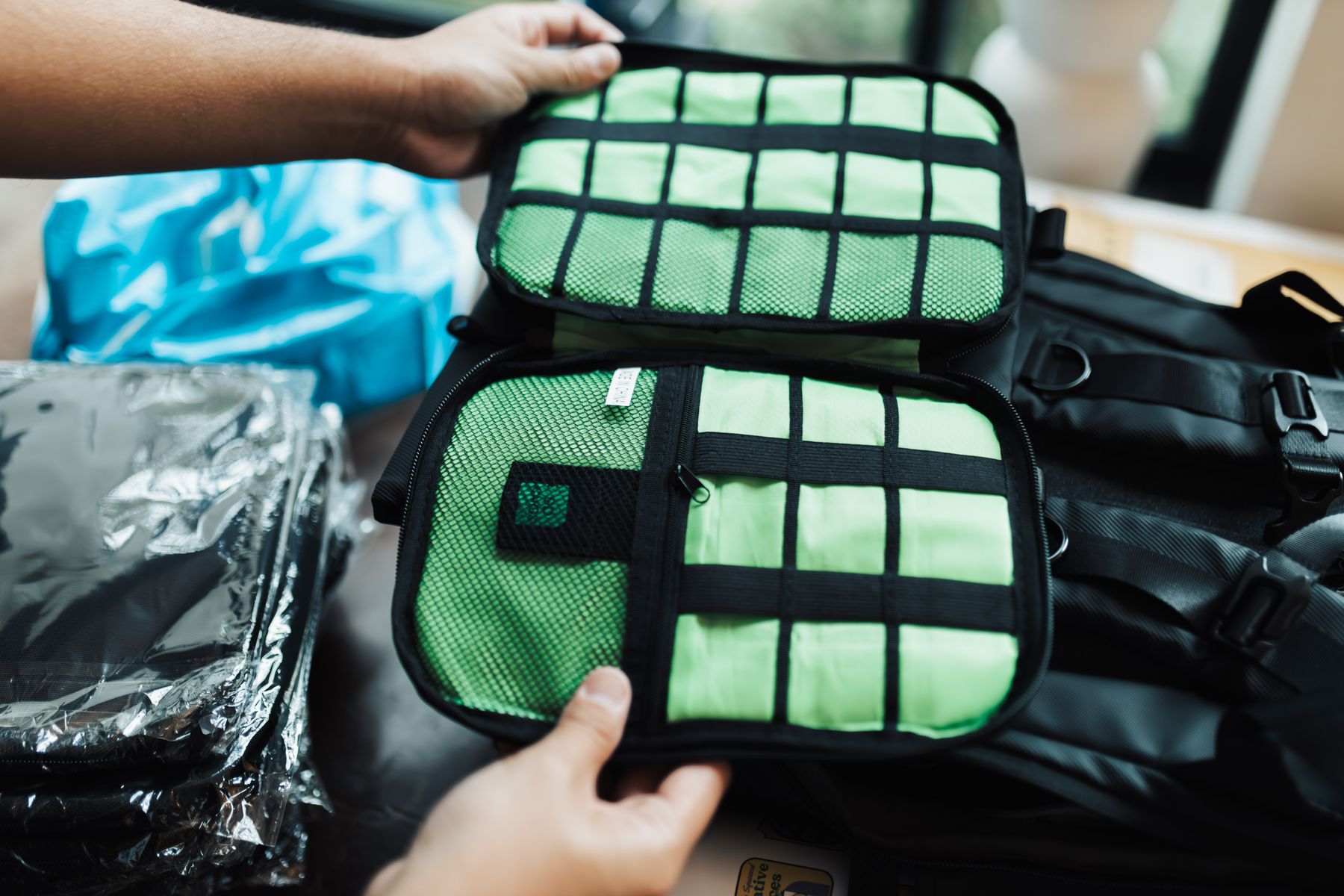
Organization starts before the suitcase opens.
Packing becomes simpler when every item has a reason to travel. Build a short list around the actual rhythm of your trip, group similar pieces together, and create a repeatable system that stays easy to use after arrival.
Start with the itinerary.
Consider the days, settings and transitions ahead before choosing what earns space in your luggage.
Give each category a home.
Keep clothing, smaller essentials, toiletries and travel documents in clear, predictable zones.
Distribute weight with care.
Keep denser pieces secure and build around them so the case remains easier to handle in transit.
Leave breathing room.
A little unused space makes repacking easier and gives the journey room for small additions along the way.
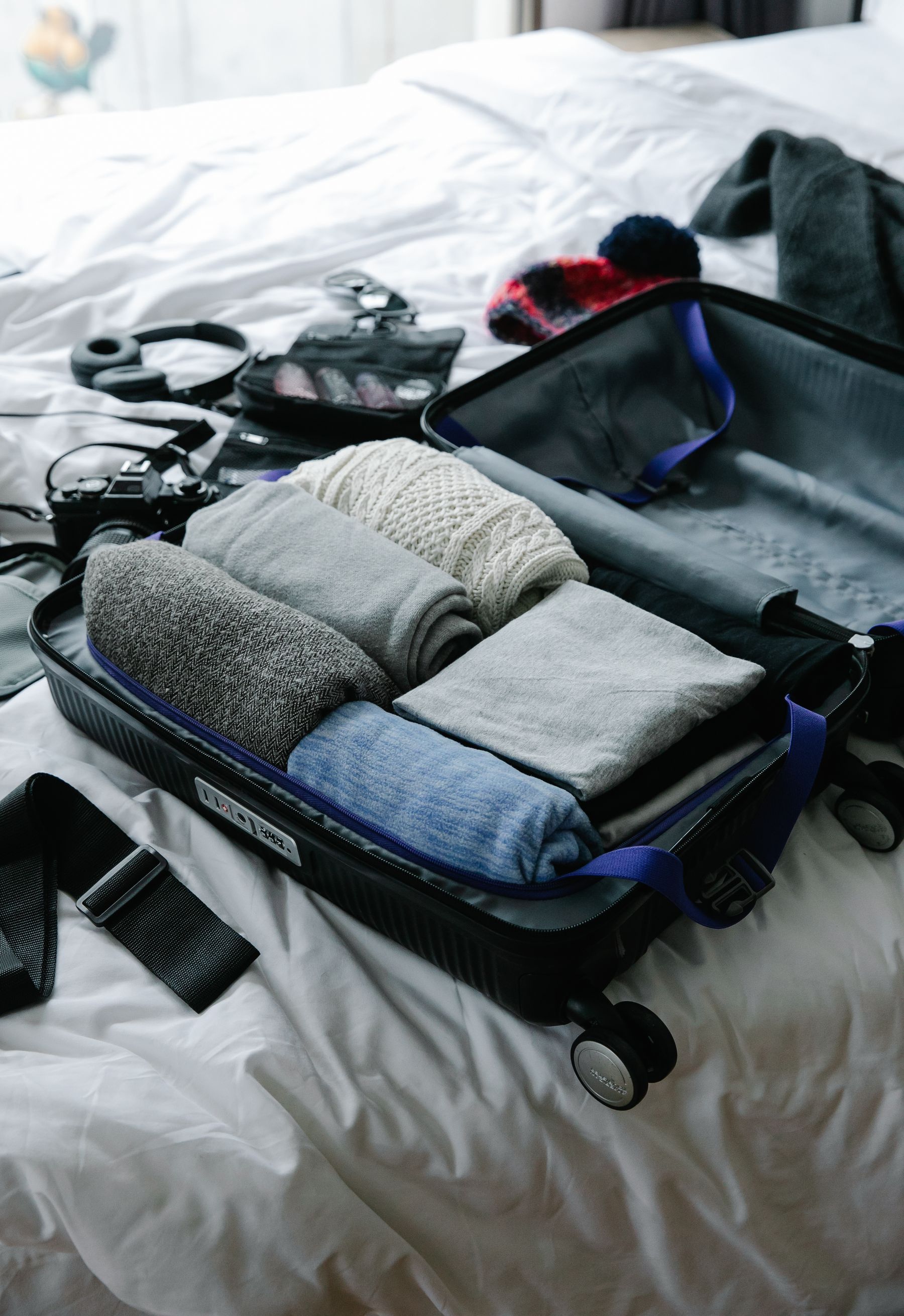
Build the suitcase in four considered steps.
Work from the plan outward rather than filling empty space at random. The result is a suitcase that stays understandable throughout the trip.
Edit before you pack
Lay everything out first. Remove duplicate pieces and anything that does not match a real part of the itinerary.
Group by function
Separate clothing, underlayers, sleep pieces, toiletries and accessories so each group can be reached independently.
Place the core first
Position structured organizers and denser items first, then use smaller spaces for flexible pieces.
Keep transit essentials accessible
Reserve a predictable place for documents and the few items you may need before reaching your destination.
Know where everything belongs.
Think of your luggage as three simple zones. The goal is not to fill every corner, but to make the items you carry easy to find, use and repack.
Quick access
Reserve one small, consistent location for the essentials you may reach for while moving between home, terminal, train or hotel.
- Travel documents
- Wallet and small essentials
- Charging essentials
- Comfort items for transit
Core packing
This is the main structure of the suitcase. Group clothing into clear categories so one item can be reached without disturbing everything else.
- Tops and layers
- Bottoms and versatile pieces
- Underlayers and sleepwear
- Category-based packing organizers
Contained extras
Smaller categories benefit from their own contained space, especially anything that could otherwise disappear into the bottom of the case.
- Toiletry bag
- Shoe bag
- Laundry bag
- Small travel accessories
Let the journey decide what comes with you.
A weekend, a hotel-based city stay and a longer multi-stop trip ask different things from the same suitcase. Build around repetition, movement and access rather than packing for every possible scenario.

A simple final edit before departure.
Use this as a starting point and adapt it to your destination, itinerary and personal needs. Pack only what is relevant to the trip in front of you.
Documents & access
Keep essential travel information together and easy to reach.
- Required travel documents
- Wallet and payment essentials
- Reservation information
- Important contact details
- Luggage identification
Clothing
Choose pieces around the actual climate, activities and length of stay.
- Versatile everyday layers
- Underlayers and sleepwear
- Weather-appropriate outer layer
- Trip-specific clothing
- Separate space for worn items
Personal care
Keep smaller personal items contained instead of scattered through the case.
- Daily personal-care essentials
- Refillable travel containers as needed
- Toiletry organizer
- Small grooming essentials
- Items needed immediately on arrival
Transit comfort
Prepare a compact set of essentials for the hours spent moving between places.
- Travel pillow or sleep accessory
- Light travel blanket when useful
- Charging essentials
- Destination-compatible adapter if required
- One easy-access personal pouch

Five final checks.
Remove anything that was packed only for an unlikely situation rather than a real part of the itinerary.
Confirm that travel documents and the items needed in transit remain easy to access.
Make sure smaller categories are contained so they do not move freely through the suitcase.
Leave enough room to close the luggage naturally without forcing the case or its organizers.
Check the current baggage, size, weight and security requirements relevant to your journey before departure.
Build a packing system that moves with you.
Explore Nomivelle travel bags, packing organizers, accessories and journey essentials designed around a more organized way to travel.